This article was originally published by AMUST
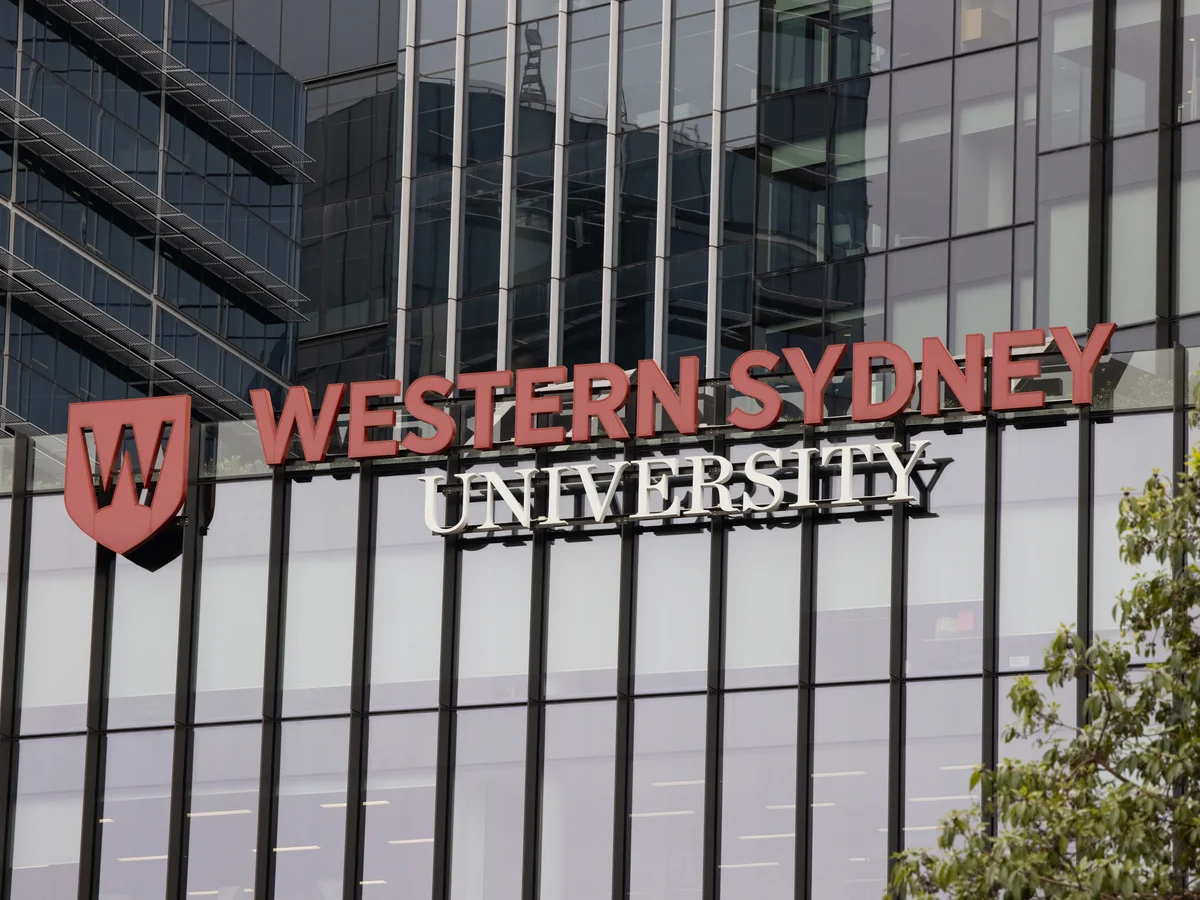
The recent decision by Western Sydney University to remove Islamic Studies as a Major and Minor from its Bachelor of Arts program has caused significant concern among students, academics, and the broader Muslim community risking serious community backlash.
Western Sydney University claims that a broader Religious Studies program will be an expansion of academic offerings but the real reason, according to a genuine university source, for doing this is that the enrolment numbers were down under university’s cost benefit analysis which is suspect and can be for a variety of administrative and market reasons and the composition of non-Muslim teaching staff.
Islamic Studies is an independent academic discipline and replacing it with a broader Religious Studies program seriously undermines this. Religious Studies may appear, on the surface, to be an expansion of academic offerings, in reality, however, it risks marginalising an important field of study at a university located in the heart of Australia’s largest Muslim population.
Western Sydney is home to one of the most diverse communities in the country. According to census data, a substantial proportion of Australia’s Muslim population live within the Greater Western Sydney region.
For many students from these communities, the presence of Islamic Studies at university is not merely symbolic, it provides an opportunity for rigorous academic engagement with their history, intellectual traditions, and contemporary social realities.
Islamic Studies is not simply about religion. It is an interdisciplinary field that engages with history, sociology, law, politics, philosophy, and international relations.
In a world where public discourse about Islam and Muslims is often shaped by misinformation and stereotypes, academic programs that foster critical and nuanced understanding are essential. Universities play a vital role in equipping students with the analytical tools needed to engage thoughtfully with complex global issues.
There are viable and academically robust pathways for the program to continue which enriches the humanities and social sciences curriculum but also strengthens intercultural dialogue and community engagement.
It would provide students, both Muslim and non-Muslim with opportunities to explore one of the world’s most influential civilisations through a scholarly lens. The decision to remove Islamic Studies also risks sending the wrong message to the community the university serves.
Western Sydney University has long positioned itself as an institution committed to diversity, inclusion, and community partnership. Yet removing a program dedicated to the study of Islam, particularly in a region where Muslim communities are rapidly growing appears contradictory to those values.
Beyond cultural representation, there are practical implications. The growth of Muslim schools across Sydney means there is increasing demand for graduates with expertise in Islamic studies, cultural literacy, and community engagement. Such knowledge is also valuable for careers in education, public policy, media, international relations, and social services.
At a time when Australia is grappling with issues such as social cohesion and Islamophobia, reducing academic space for the serious study of Islam and Muslim societies seems counterproductive.
Academic scholarship has the power to challenge misconceptions, humanise communities, and promote informed dialogue. Ultimately, this decision risks becoming a lose-lose situation.
The university loses an opportunity to position itself as a leader in Islamic scholarship, students lose access to specialised academic pathways, and the broader community loses an important bridge between academia and lived experience.
Reconsidering the removal of Islamic Studies would not only strengthen the university’s academic offerings but also reaffirm its commitment to serving the diverse communities of Western Sydney.
Source: AMUST